Introduction of Coffee and its Processing

FIg: Coffee cherry (https://i.pinimg .com/originals/4b/62/56/4b62568 fbd68bd7de749154c57afc141.jpg )

Coffee is a climacteric sensitive crop.  Factors like elevation, rainfall, and temperature can influence the crop performance considerably. It requires hot humid climate with intervals of dry weather for proper ripening of fruits. The two commercially important species of coffee are Coffea arabica and Coffea robusta. The coffee plant is a small tree which extends to the height of 5 ft. in case of Coffea arabica and 5.5 to 6 ft. in case of Coffea robusta. Coffee can be grown up to 25 ft. in wild state but is pruned for two reasons; to facilitate harvesting and to maintain optimal tree shape. Read more
Tea Processing: Drying and Grading

Drying:

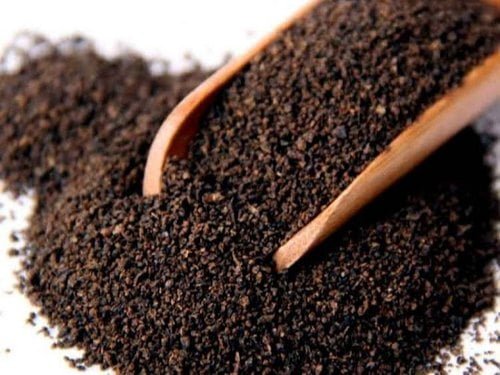
After completion of fermentation, it has to be stopped as soon as possible to avoid the over fermentation. Drying of the mass with hot air stop fermentation process. Drying reduce the moisture content of fermented leaves from 50 – 70 % moisture content to 3 %. In dry black tea, it also allows development of tea aroma. Drying is physically achieved by blowing hot air through fermented leaves as they are conveyed in chains. The temperature of hot air in the inlet is 100 – 120°C conveyed while that at the outlet is 56°C. Drying process takes about 15 to 30 minutes. The principle biochemical process involves conversion of chlorophyll to pheophytin and pheophorbide responsible for the black appearance in the manufactured tea. The high temperature during drying also cause loss of low volatile compounds, continuation of few reaction of fermentation stage and the formation of new compounds like β-ion and theaspirone which play an important role in the formation of aroma. Read more

Tea Processing: Rolling and Fermentation

Rolling:

The aim of rolling is to establish proper condition for an enzymatic oxidation (fermentation) of catchin and polyphenols by polyphenolase in the presence of atmospheric oxygen. Rolling twist the leaf, break the cell structure and expel the juices, catchin and enzymes. Catchin and enzymes are originally separated in fresh leaf by cell compartment. During rolling, both the polyphenols and enzymes polyphenolases are brought together and are exposed to the atmospheric condition that begins the oxidation process. Read more

Tea Processing: Withering

Withering brings about physical and chemical changes in the shoots and leaves to produce quality tea. It also provides flush to tea leaves for rolling in subsequent step by reducing turgor pressure. Withering is generally achieved by thinly spreading the flush on mats or in thicker layer in trough for 8 – 20 hours, depending on condition of leaf. During this period, the moisture content of leaf drop between 60 – 65 % (in soft withering) and 50 – 55 % (in hard withering). The physical part of withering can be achieved quickly by passing blast of hot air (35°C) through the leaves but this may adversely affect quality of tea because of inhibition of full biochemical changes. Moisture evaporation in leaves takes place through stomata and highly through the epidermis. The rate of loss of moisture not only depends on external condition but also on the leaf standard. Leaves and buds loose moisture more easily than the stalk and shoots. Read more

Manufacturing Technology of Tea, Packaging and Quality Control

Quality of tea is dependent upon the filed to factory. Quality of tea mainly depends on the raw material and method of plucking . So care should be taken both in field and during transportation and within factory  before operating the withering process. Tea leaves are damaged  at various stage from plucking of leaves. Therefore care must be done as follows,
1. There is tendency that the plucker hold the greater quantity of plucked leaves in their hands. This should be avoided.

2. Plucked shoots collected in smaller or larger container such as bamboo basket, sacks and nets should never be compressed compact. It causes burising of tea leaves, generation of excessive heat and early fermentation. Read more

Introduction to Tea: cultivation, composition and classification

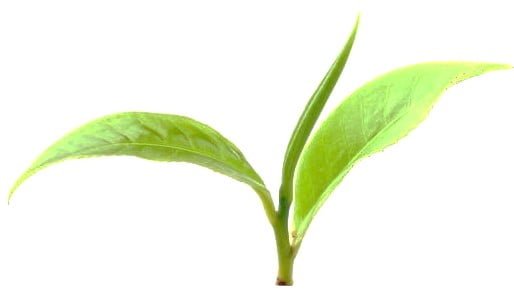
Tea is the most popular and important beverage in the world. In China tea is a beverage known about for 3000 years. However, current distribution pattern of tea type originated in the area somewhere near ‘Irrawaddy basin’ from where it dispersed to South- East China, Indonesia and India. Tea grows at latitude  27° South (Argentina) to 42.43° North (Georgia) and from sea level up to altitude of 2500 m. The soil in which tea grow are widely alluvial (in Assam, India), podzols ( in USSR), volcanic ash ( in Japan), andosole (in Indonesia), red yellow podzols (in Taiwan), red soil ( in China) and sedimentary ( in Darjeeling, India). Read more

Post Harvest of Tomatoes

Tomato (Lycopersicon esculentum) was originated in South America. The improved variety of the wild fruit are grown throughout the world. Its high vitamin content and multiple uses make the tomato an important vegetable. Tomatoes are highly perishable and cannot be stored at low temperature and requires special care in handling, transportation and marketing.


Read more